 HKA Texas Humble, Kingwood, Atascocita, Texas Humble, Kingwood, Atascocita, Texas
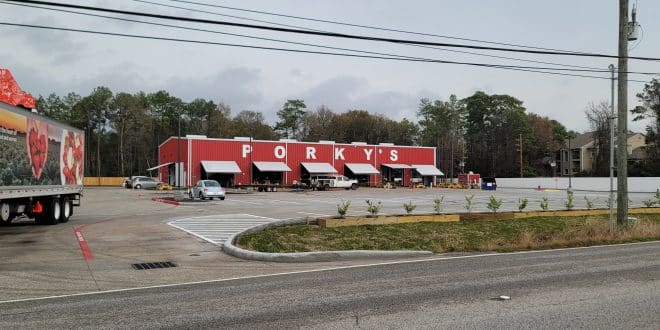
Excitement is building as Porky’s Backyard gears up for its grand opening on January 13th …
Read More »What's NEW in Humble, Kingwood, Atascocita, Texas
HKA Texas is a popular news alternative for Humble, Texas, Kingwood, Texas, and Atascocita, Texas. Covering what's NEW in business, real estate, construction, new homes, master planned communities, restaurants, and developing areas surrounding Humble, Kingwood, and Atascocita including -- but not limited to -- Lake Houston, Eagle Springs, Summerwood, The Groves, Valley Ranch, Generation Park, Fall Creek, Bridges on Lake Houston, Walden on Lake Houston, New Caney, Porter, Huffman, and Crosby.
HKA Texas was created as a community service by The Texas Network to help promote local businesses. We are proudly not affiliated nor influenced by any City, Chamber of Commerce, or Partnership.
-
Porky’s Backyard gears up for its grand opening in Atascocita
-

City of Humble’s 32nd Annual Christmas Parade of Lights
-

Wounded Warriors Motorcade to honor our heroes on 5-18-2023
-
City of Humble 31st Annual Christmas Parade – Magical Music of Christmas
-

Nando’s authentic homemade Tacos NOW OPEN in Humble, Texas
-
The Flying Biscuit Cafe is now open in Kingwood, Texas
The Flying Biscuit Cafe is now open at 4329 Kingwood Drive near West Lake Houston Parkway in Kingwood, Texas.
Read More » -

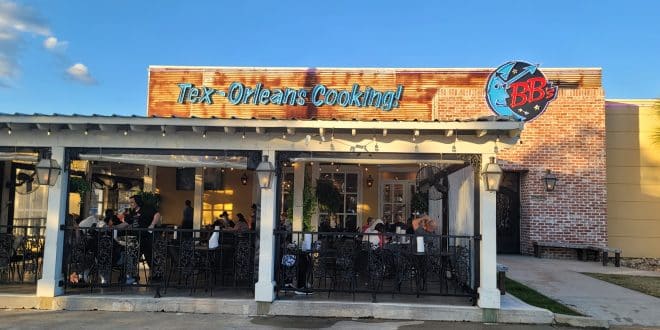
BB’s Tex-Orleans
-

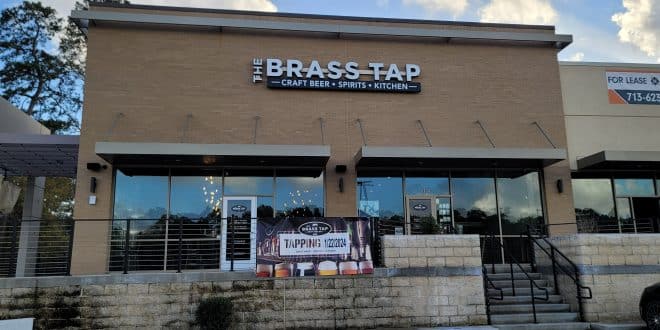
The Brass Tap Craft Beer Bar set to open in Kingwood, Texas
-
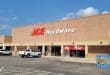
A Texas size ACE Hardware opens in Kingwood
-

A new Chipotle Mexican Grill coming soon to Kingwood
-
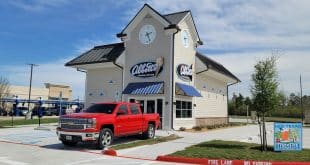
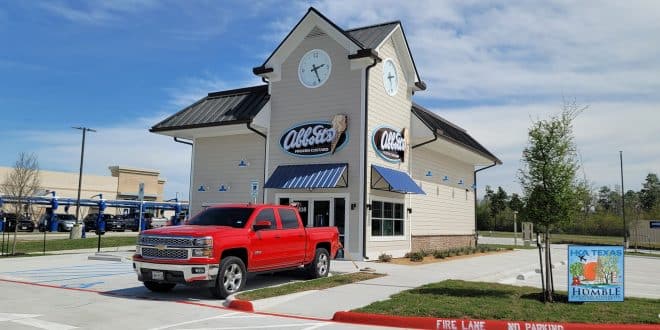
Abbott’s Frozen Custard is now open in Atascocita, Texas
Abbott’s Frozen Custard opened on April 4, 2024 at 17630 W Lake Houston Pkwy in Atascocita, Texas.
Read More » -

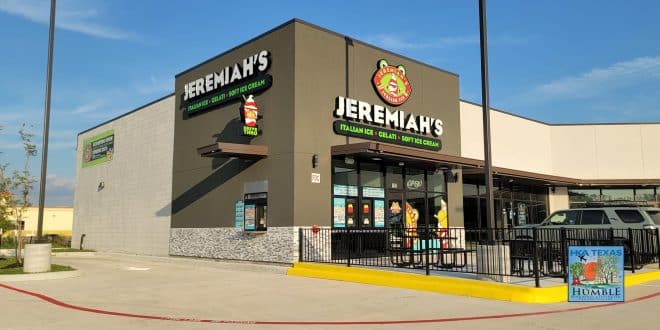
Jeremiah’s Italian Ice set to open April 16, 2024 in Atascocita, Texas
-

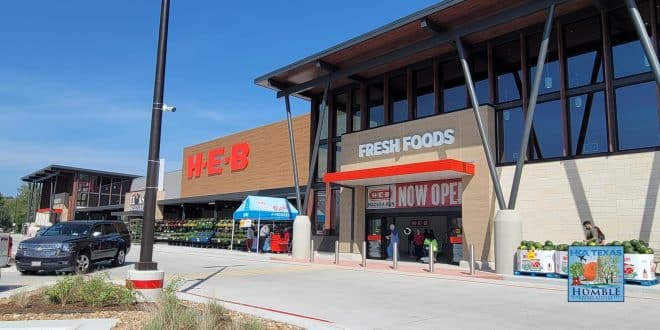
HEB in The Groves is NOW OPEN
-

Dick’s Sporting Goods coming soon to Atascocita, Texas
-

Porky’s Backyard gears up for its grand opening in Atascocita
Are you looking for a Houston dedicated server solutions? Check out Oplink.net for virtual private servers, and dedicated virtual servers.
-

A World-class surf park to make Houston debut in Fall 2024 at Generation Park
The 6-acre man-made surf lagoon can accommodate up to 70 surfers per hour and allows beginner and advanced surfers to simultaneously surf.
Read More » -

Celebrate Independence Day at Liberty on the Lawn
-

TWO NEW Restaurant Concepts NOW OPEN in Generation Park
-

Justin Turner of Bernie’s Burger Bus Fame to Lead New Hospitality Group at Generation Park
-

New Class-A Medical buidling coming to Generation Park







-

Proposed 200,000 sq. ft. conference and events center in East Montgomery County, Texas
Will feature a 55,000 sq. ft. ballroom/exhibit hall and nearly 20,000 sq. ft. of meeting space
Read More » -

EMCID to Repurpose Current Office Complex to Event Venue
-

Yummy Tummy Pastries, Cake Shop, Coffee and Bakery opens second location
-

Tune Up The Manly Salon is NOW OPEN in New Caney, Texas
-

Ice Skating at the Valley Ranch Town Center